In the ever-evolving digital marketing landscape, SEO promotion remains the cornerstone of online visibility and sustainable growth. Businesses depend on search engines to attract qualified traffic, and the effectiveness of these efforts is often reflected in keyword rankings.
Understanding the stages of SEO promotion allows marketers to systematically plan, execute, and measure performance. This process not only ensures that each step contributes to higher search rankings but also helps identify what’s working and what needs improvement.
In this article, we’ll break down the seven proven stages of SEO promotion, showing you exactly how to measure results through keyword rankings — the most tangible indicator of SEO success.
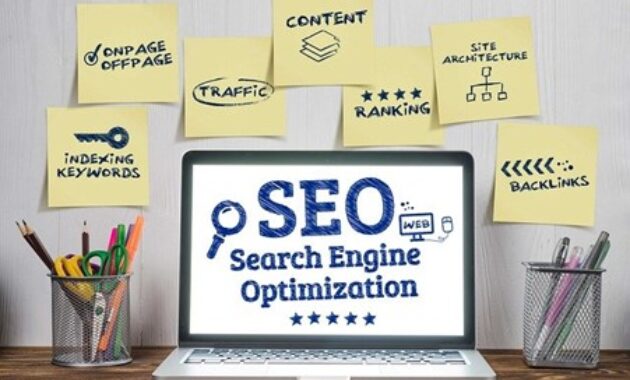
Understanding Keyword Rankings in SEO
Keyword rankings represent where a webpage appears in search engine results for a particular term or query. The higher a page ranks, the more visibility it gains — leading to more traffic and potential conversions.
Tracking keyword performance offers insights into how effectively your SEO strategies align with user intent and search engine algorithms. When monitored over time, keyword rankings become a diagnostic tool, revealing the strengths and weaknesses of your content and optimization tactics.
Stage 1 – Comprehensive SEO Audit
Before diving into optimization, a comprehensive SEO audit is essential. This initial stage assesses your website’s health and establishes a performance baseline.
Key elements include:
-
Technical SEO Review: Site speed, mobile optimization, and crawlability.
-
On-Page Audit: Title tags, meta descriptions, content quality, and internal links.
-
Backlink Profile: Evaluating domain authority and link quality.
-
Keyword Baseline: Identifying current rankings for target terms.
Tools for Conducting an Effective SEO Audit
Use tools like Google Search Console, Ahrefs, Screaming Frog, and SEMrush to collect data and uncover technical or content-related issues. These insights guide subsequent stages of your SEO campaign.
Stage 2 – Keyword Research and Competitor Analysis
Keyword research sets the foundation for every successful SEO campaign. It involves identifying high-value search terms that align with user intent and business goals.
Competitor analysis helps uncover opportunities by revealing which keywords drive traffic to rival websites. This stage ensures your SEO strategy targets relevant, achievable, and profitable terms.
Selecting High-Value Keywords for Ranking Success
Prioritize long-tail keywords that reflect specific user intent and typically convert better. Combine these with short-tail keywords for higher visibility. Mapping keyword intent (informational, navigational, transactional) ensures a balanced content strategy.
Stage 3 – On-Page Optimization Strategies
On-page SEO is where strategic keyword placement begins to influence rankings. Optimizing individual pages for your target keywords ensures that search engines and users understand your content’s relevance.
Focus areas include:
-
Meta tags (title, description)
-
Header hierarchy (H1–H6 tags)
-
Keyword-rich content
-
URL structure
-
Internal linking
Tracking On-Page Changes for Ranking Impact
After optimization, monitor keyword movement using Google Search Console or rank-tracking tools. This helps identify which adjustments lead to measurable improvements in visibility.
Stage 4 – Content Development and Optimization
Content remains the heart of SEO promotion. At this stage, focus on producing high-quality, informative, and keyword-optimized articles that address audience needs.
Stage 5 – Link Building and Off-Page Promotion
After optimizing your on-page elements and content, the next stage of SEO promotion focuses on off-page strategies, primarily link building. This stage significantly affects keyword rankings because backlinks serve as votes of confidence in your website’s authority and credibility.
Building quality backlinks from reputable domains increases domain authority (DA) and page authority (PA), which, in turn, boosts visibility for your targeted keywords.
Effective Link-Building Techniques
-
Guest Posting: Contribute valuable articles to industry blogs to earn backlinks.
-
Digital PR Campaigns: Use press releases and collaborations to attract high-authority links.
-
Broken Link Building: Find and replace broken external links with your relevant content.
-
Resource Link Outreach: Offer your guides or tools as references for other sites.
Measuring Link-Building Results by Keyword Position Changes
Tracking how keyword rankings respond to new backlinks helps evaluate link quality and relevance. Tools like Ahrefs or SEMrush can show how your keyword positions improve over time. Focus on organic growth rather than quick wins—SEO progress is a marathon, not a sprint.
Stage 6 – Continuous Monitoring and Reporting
SEO promotion doesn’t end once you’ve optimized and built links—it’s an ongoing process that demands continuous tracking and reporting.
This stage involves evaluating how your keywords perform over time, identifying ranking fluctuations, and adjusting strategies accordingly. Monitoring helps ensure that your SEO efforts yield consistent, measurable progress.
Key Metrics to Monitor
-
Keyword Rankings: Track primary and secondary keywords weekly.
-
Organic Traffic: Measure increases in sessions and impressions.
-
CTR (Click-Through Rate): Check if improved rankings are leading to clicks.
-
Bounce Rate: Evaluate engagement quality from organic visitors.
-
Conversion Rate: The ultimate metric of SEO success.
Interpreting SEO Reports for Strategic Decisions
Analyze keyword trends alongside user behavior metrics to uncover performance patterns. For example, if a keyword ranks higher but CTR remains low, you may need to rewrite the title tag or meta description to attract clicks.
Stage 7 – Refinement and Scaling of SEO Strategy
The final stage of SEO promotion is refinement and scaling. By this point, you’ll have gathered sufficient data from audits, rankings, and performance reports. Use this data to fine-tune your tactics and expand your SEO footprint.
Actions for Scaling SEO Success
-
Target New Keywords: Expand your keyword list to reach untapped markets.
-
Update Content Regularly: Keep pages fresh with new insights or data.
-
Enhance Site UX: Improve site speed and navigation for better engagement.
-
Leverage Automation Tools: Use SEO software for large-scale keyword tracking and reporting.
Case Study: Real-World Example of Keyword-Based SEO Growth
A digital marketing agency implemented these seven stages for an e-commerce client. Within six months:
-
Keyword rankings improved from page 3 to page 1 for 30% of targeted keywords.
-
Organic traffic grew by 75%, and conversion rates increased by 20%.
This example illustrates how a systematic approach to keyword-based measurement can lead to tangible business growth.
Common Mistakes in Measuring Keyword Rankings
Even seasoned marketers can misinterpret keyword data. Avoid these common pitfalls:
-
Focusing Only on Rankings: Rankings alone don’t guarantee conversions or ROI.
-
Ignoring Search Intent: Targeting keywords without aligning with user needs leads to irrelevant traffic.
-
Neglecting Local SEO: Failing to track local keyword performance limits regional visibility.
-
Overreacting to Fluctuations: Rankings naturally fluctuate due to algorithm updates and competition.
-
Using Inaccurate Tracking Tools: Not all tools provide precise data—always cross-verify results.
Top Tools for Keyword Rank Tracking
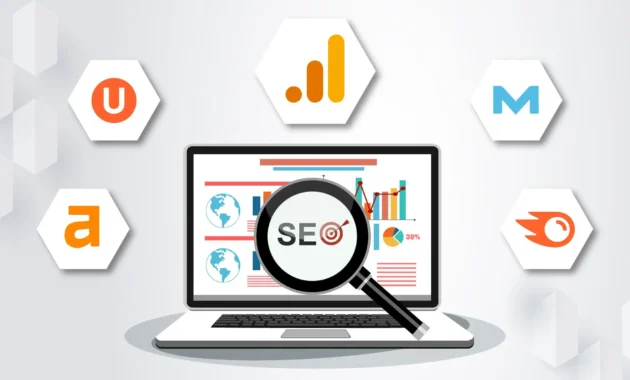
Here’s a quick comparison of some of the most popular keyword rank-tracking tools:
| Tool | Best For | Key Features |
|---|---|---|
| Ahrefs | Comprehensive analysis | Rank tracking, backlinks, keyword difficulty |
| SEMrush | Competitor insights | Position tracking, SERP features, historical data |
| Moz Pro | Beginner-friendly | Easy UI, on-page optimization tips |
| Serpstat | Cost-effective | Rank tracking, site audit, keyword clustering |
| Google Search Console | Free tool | Impressions, CTR, and keyword performance |
Each tool has its strengths, but combining Search Console (for accuracy) with Ahrefs or SEMrush (for insights) provides a complete keyword tracking ecosystem.
FAQs About SEO Promotion and Keyword Rankings
1. How often should I check keyword rankings?
It’s best to check rankings weekly or biweekly to track consistent trends without overreacting to temporary fluctuations.
2. What’s a good keyword ranking to aim for?
Aim for Top 10 positions (page 1) — this is where 90% of search traffic occurs.
3. Why do my keyword rankings fluctuate daily?
Fluctuations can occur due to algorithm updates, competitors’ activity, or temporary indexing changes. Consistency matters more than daily spikes.
4. Are paid tools necessary for keyword tracking?
While free tools like Google Search Console provide basic insights, paid tools like SEMrush and Ahrefs offer deeper analytics, making them ideal for long-term SEO campaigns.
5. Can I rely solely on keyword rankings to measure SEO success?
No. Combine keyword data with traffic, engagement, and conversion metrics to get a complete picture of SEO performance.
6. How long does it take to see ranking improvements?
Typically, 3–6 months depending on competition, site quality, and consistency in optimization efforts.
Conclusion: The Future of Measuring SEO Success by Keyword Rankings
In 2025 and beyond, SEO promotion will remain data-driven, and keyword rankings will continue to be a critical performance metric. However, the focus is shifting from rankings alone to overall visibility, engagement, and conversion outcomes.
To succeed, businesses must master these seven stages of SEO promotion—from audits and keyword research to continuous monitoring and scaling. By tracking rankings strategically, you not only measure SEO success but also shape smarter, more impactful marketing decisions.



 PT. Semarsoft Technology Indonesia