Trader AI: Is This the Future of Trading? (Spoiler: It Might Be!)
Okay, guys, so you know I’ve been diving deep into the world of investing lately, trying to find ways to make my money work smarter, not harder. And let me tell you, I stumbled upon something pretty darn cool: Trader AI in France. Yeah, you heard right, Artificial Intelligence is now getting into the trading game. At first, I was skeptical, but after doing some serious digging, I’m starting to think this could be a game-changer for even casual investors like us. So, grab your coffee, and let’s get into the nitty-gritty of Trader AI!
What Exactly IS Trader AI?
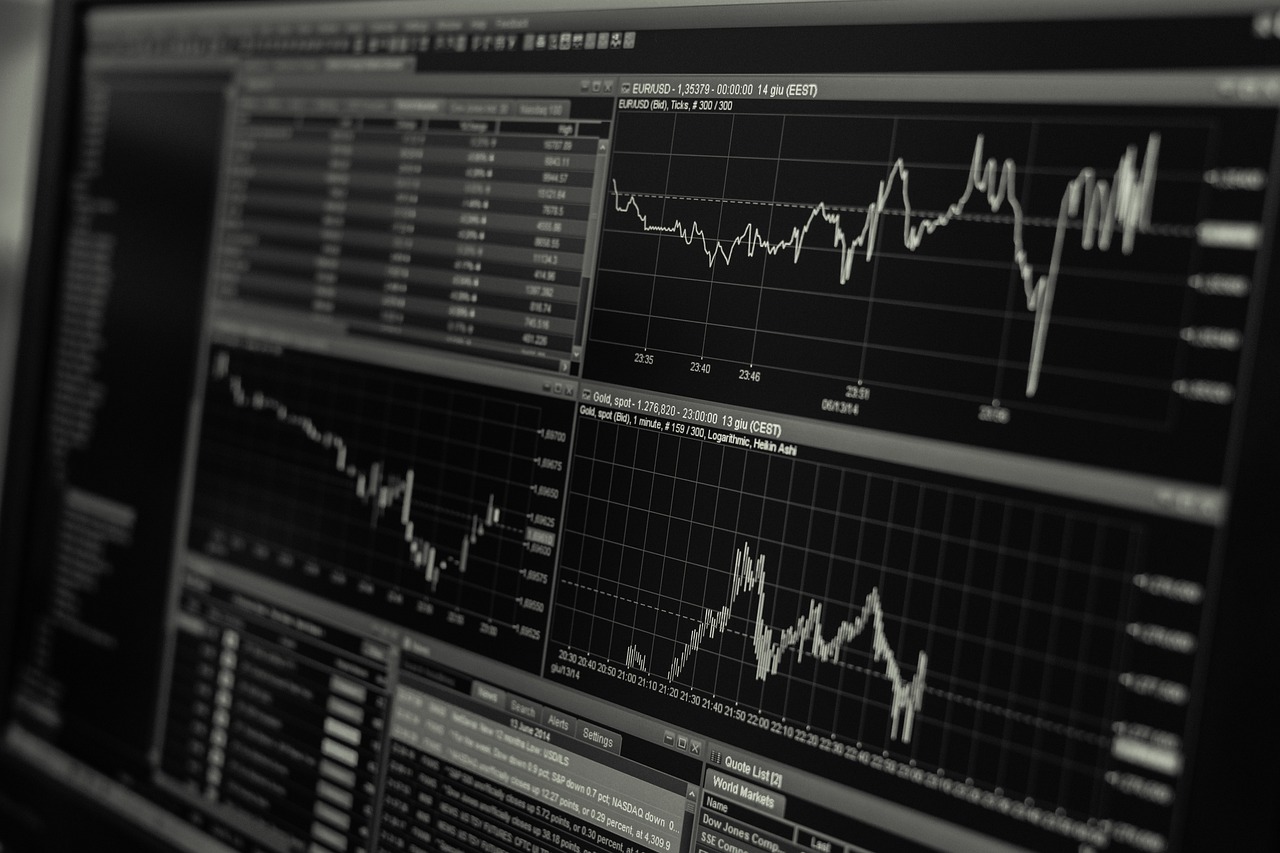
Alright, so the big question: what IS Trader AI? Basically, it’s software that uses artificial intelligence and machine learning to analyze market trends, predict price movements, and ultimately, make trades on your behalf. Think of it as having a super-smart, tireless trading assistant that never sleeps and is constantly learning. It’s not about replacing human traders entirely, but rather enhancing our ability to make informed decisions. Trader AI uses complex algorithms to sift through massive amounts of data – think economic indicators, news headlines, historical price charts – to identify potential opportunities. We’re talking automated investing at its finest, people!
And the beauty of Trader AI is that it can adapt to changing market conditions in real-time. Unlike traditional trading strategies that are often based on static rules, Trader AI is constantly learning and refining its approach. It’s like teaching a robot to trade, but that robot never forgets a lesson and is always looking for new ways to improve.
The Upsides (and a Few Downsides) of Using Trader AI
Okay, let’s be real. Nothing is perfect. So, let’s break down the pros and cons of hopping on the Trader AI bandwagon.
The Pros: Prepare to Be Amazed
- 24/7 Trading: As I mentioned before, Trader AI never sleeps. It can trade around the clock, even when you’re catching some Zzz’s. This is a huge advantage, especially for those of us who have a day job and can’t constantly monitor the markets.
- Emotional Trading? Not Here! One of the biggest mistakes traders make is letting their emotions get the best of them. Fear and greed can lead to impulsive decisions and big losses. Trader AI is completely objective and makes decisions based solely on data and algorithms.
- Real-Time Market Updates: Stay ahead of the curve with constant data flow! Trader AI platforms often provide access to Real-Time Market Updates, allowing you to make informed decisions even when you prefer manual trading.
- Diversification Made Easy: Many Trader AI systems can automatically diversify your portfolio across different asset classes, reducing your overall risk.
- Backtesting Capabilities: You can often test the Trader AI’s strategies on historical data to see how it would have performed in the past. This can give you some confidence in its ability to generate profits in the future.
- Accessibility: There are an increasing number of Trader AI platforms available that are designed for beginners, with user-friendly interfaces and educational resources.
- Potential for Income-generating investment: This is what we all want, right? By leveraging the power of AI, you have the potential to generate passive income and grow your wealth over time.

The Cons: Let’s Keep it Real
- “Black Box” Trading: Some Trader AI systems can be difficult to understand. You might not know exactly why the AI is making certain trades, which can be unsettling for some investors.
- Over-Optimization: There’s a risk of over-optimizing the AI for past market conditions, which could lead to poor performance in the future.
- Data Dependency: Trader AI relies heavily on data. If the data is inaccurate or incomplete, the AI’s decisions could be flawed.
- The Human Element: While Trader AI can automate many aspects of trading, it’s still important to have a basic understanding of the markets and to monitor the AI’s performance. Don’t just set it and forget it!
- Cost: Some of the more sophisticated Trader AI platforms can be expensive.
Trader AI: How to Get Started (Without Losing Your Shirt)
Okay, so you’re intrigued, right? Here’s how to dip your toes into the Trader AI waters without risking everything you own:
- Do Your Research: Don’t just jump into the first Trader AI platform you find. Read reviews, compare features, and make sure it’s reputable. Look for platforms that are transparent about their algorithms and provide access to performance data.
- Start Small: Don’t invest more than you can afford to lose. Start with a small amount of capital and gradually increase your investment as you become more comfortable with the Trader AI system.
- Understand the Risks: Remember that trading always involves risk, even with Trader AI. There’s no guarantee of profits, and you could lose money.
- Monitor Your Account: Don’t just set it and forget it! Regularly check your account to see how the Trader AI is performing. If you’re not happy with the results, you can always adjust your settings or withdraw your funds.
- Utilize Demo Accounts: Many platforms offer demo accounts. These are great opportunities to try out Trader AI with virtual money before committing real funds. This lets you familiarize yourself with the interface and assess the system’s effectiveness without any financial risk.
- Consider the Trader AI mobile app: Some providers offer mobile apps that allow you to manage your investments on the go, providing flexibility and convenience.
Real-World Examples: Does Trader AI Really Work?
Alright, let’s get down to brass tacks. Does Trader AI actually deliver? While I can’t guarantee you’ll become a millionaire overnight (sorry!), there are definitely some promising examples out there. Some studies have shown that Trader AI systems can outperform traditional trading strategies, especially in volatile markets. However, it’s important to remember that past performance is not indicative of future results. Market conditions can change, and even the most sophisticated Trader AI can’t predict the future with 100% accuracy.
What I can say is that many traders are seeing success by incorporating Trader AI into their overall investment strategy. It can be a valuable tool for automating certain tasks, identifying opportunities, and managing risk. The key is to approach it with realistic expectations and to do your own research.
Why Transparency Matters with Trader AI
Let’s talk about transparency. It’s crucial when dealing with Trader AI. You want to understand, at least at a high level, how the system is making decisions. Avoid platforms that are completely opaque, acting like a “black box” where you have no idea what’s going on behind the scenes. A good Trader AI provider should be able to explain the basic principles of their algorithm and provide access to performance data. This helps you build trust and confidence in the system.
Ask questions like: What data sources are you using? How often is the algorithm updated? What risk management strategies are in place? The more information you have, the better equipped you’ll be to make informed decisions about your investment.
Trader AI and the Future of Finance
I truly believe that Trader AI is going to play an increasingly important role in the future of finance. As technology continues to advance, we’ll see even more sophisticated AI systems that can analyze data, predict market movements, and manage risk with greater accuracy. This could level the playing field for individual investors, giving us access to tools and strategies that were previously only available to hedge funds and institutional investors.
But it’s also important to remember that Trader AI is just a tool. It’s not a magic bullet that will automatically make you rich. Success in trading still requires knowledge, discipline, and a willingness to learn. The key is to use Trader AI as a supplement to your own understanding of the markets, not as a replacement for it.
The ability for income-generating investment is significantly boosted by the technology Trader AI provides.
Trader AI – Beyond Just Trading
While the primary focus of Trader AI is, naturally, trading, the application of this technology stretches into so much more. Think about it – the algorithms powering Trader AI excel at pattern recognition and predictive analysis. This makes them valuable in areas like risk management, fraud detection, and even personalized financial planning. Imagine an AI system that can analyze your spending habits, assess your risk tolerance, and recommend a tailored investment strategy. That’s the power of AI in finance!
Furthermore, Trader AI is driving innovation in areas like Algorithmic Trading. By automating trading processes, Trader AI reduces human error and allows for faster execution of trades. This can lead to increased efficiency and potentially higher profits. The future of finance is definitely looking AI-powered, and Trader AI is at the forefront of this revolution.
The Importance of Staying Updated
One of the most exciting (and slightly terrifying) aspects of Trader AI is how rapidly it’s evolving. New algorithms, data sources, and trading strategies are being developed all the time. This means that it’s crucial to stay updated on the latest developments in the field. Follow industry blogs, attend webinars, and connect with other traders to stay ahead of the curve. The more you learn, the better equipped you’ll be to leverage the power of Trader AI.
Don’t be afraid to experiment with different Trader AI platforms and strategies. What works for one person might not work for another. The key is to find a system that aligns with your investment goals, risk tolerance, and trading style. Remember, successful trading is a journey, not a destination. Embrace the learning process, stay curious, and never stop exploring the potential of Trader AI.
Final Thoughts: Is Trader AI Right for You?
So, is Trader AI the future of trading? Maybe. It’s definitely a powerful tool that can help you automate your trading, analyze data, and potentially generate profits. But it’s not a guaranteed path to riches. You still need to do your research, understand the risks, and monitor your account carefully.
If you’re looking for a way to potentially boost your income-generating investment, Trader AI might be worth exploring. Just remember to start small, be patient, and never invest more than you can afford to lose. With the right approach, Trader AI could be a valuable asset in your investment arsenal.
Ready to explore the world of Trader AI? Click here to check out [Your Affiliate Link Here] and see if it’s the right fit for you! Don’t forget to do your own research and due diligence before investing any money.
FAQ About Trader AI
1. Is Trader AI a guaranteed way to make money?
Absolutely not! Like any investment, there’s risk involved. Trader AI uses algorithms to analyze data and make trades, but it can’t predict the future. Market conditions can change, and you could lose money. Be sure to do your research and understand the risks before investing.
2. How much money do I need to start using Trader AI?
It depends on the platform. Some Trader AI platforms allow you to start with as little as a few hundred dollars. It’s always a good idea to start small and gradually increase your investment as you become more comfortable with the system.
3. Do I need to be a trading expert to use Trader AI?
Not necessarily. Many Trader AI platforms are designed for beginners, with user-friendly interfaces and educational resources. However, it’s still important to have a basic understanding of the markets and to monitor the AI’s performance. Don’t just set it and forget it!
4. What are the fees associated with using Trader AI?
Fees vary depending on the platform. Some platforms charge a percentage of your profits, while others charge a flat monthly fee. Be sure to understand the fee structure before signing up.
5. Is my data safe with Trader AI?
Reputable Trader AI platforms take security seriously and use encryption and other measures to protect your data. However, it’s always a good idea to do your research and choose a platform that has a strong track record of security.



 PT. Semarsoft Technology Indonesia